

Table of Contents
Kitchen remodeling is far more than swapping out cabinet hardware or applying a fresh coat of paint. It is a comprehensive transformation of one of your home's most essential spaces, touching everything from structural layout to daily functionality.
Key Takeaways
-
Kitchen remodeling involves structural, electrical, and plumbing changes that require permits and professional coordination, not just cosmetic updates.
-
Daily functional problems like cramped traffic flow, missing counter space, and poor lighting signal when a full remodel becomes necessary.
-
The design-build approach with one accountable team prevents communication breakdowns, budget drift, and costly mid-project changes.
-
Realistic timelines span several weeks to a few months depending on custom materials, structural work, and inspection schedules.
-
You can typically stay home during remodeling but should plan for cooking alternatives and temporary disruption from dust and noise.
Whether you are reimagining a cramped galley kitchen or creating an open-concept gathering area, understanding what truly constitutes a remodel helps set realistic expectations for your project.
What Is Kitchen Remodeling?
A genuine kitchen remodeling project distinguishes itself from a simple refresh through the depth and breadth of changes involved. Cabinet refacing, for instance, updates visible surfaces while leaving existing boxes, layouts, and infrastructure untouched. A full gut renovation, by contrast, strips the space to studs and rebuilds from the framework up. This level of transformation allows for electrical rewiring, plumbing relocation, and structural modifications that a surface-level update simply cannot address.
These behind-the-wall changes often drive the most meaningful improvements in how your kitchen functions. Moving a sink to an island, adding dedicated circuits for professional-grade appliances, or removing a load-bearing wall to create flow between kitchen and living areas, each requires skilled coordination of multiple trades. The scope expands quickly when your vision includes reconfiguring the footprint rather than working within existing constraints.
Full Renovation vs. Refresh
How do appliance upgrades reshape your entire kitchen remodeling plan? A standard refrigerator replacement fits existing dimensions with minimal disruption. Selecting a built-in column refrigerator or a commercial-style range, however, demands precise clearances, enhanced ventilation, and often dedicated gas or electrical lines that alter cabinet layouts and surrounding workspaces.
Material selection further defines project scope. Stock cabinetry with laminate counters installs quickly within standard measurements. Custom millwork with stone surfaces requires templating, extended lead times, and specialized support structures that affect flooring, lighting, and even adjacent room finishes. Each choice cascades through the project timeline and coordination requirements.
Why Does Kitchen Remodeling Matter?
Structural changes in kitchen remodeling trigger permit requirements that protect both safety and resale value. Removing walls, adding windows, or modifying electrical service panels typically demands municipal review and inspection. These approvals ensure that load-bearing elements are properly supported, that egress requirements are met, and that systems meet current safety standards.
Working with a full-service general contractor simplifies this complexity by coordinating design, permits, and trade specialists under one accountable team. Rothrock Kitchen & Bath Remodeling guides homeowners through each phase, translating vision into actionable plans while managing the logistical details that overwhelm many independent projects. For those concerned about keeping kitchen remodeling costs down, understanding scope early prevents expensive mid-project changes. You can also explore what design decisions need to be made to prepare for the selection process ahead, or review common remodeling mistakes to avoid before committing to a contractor.
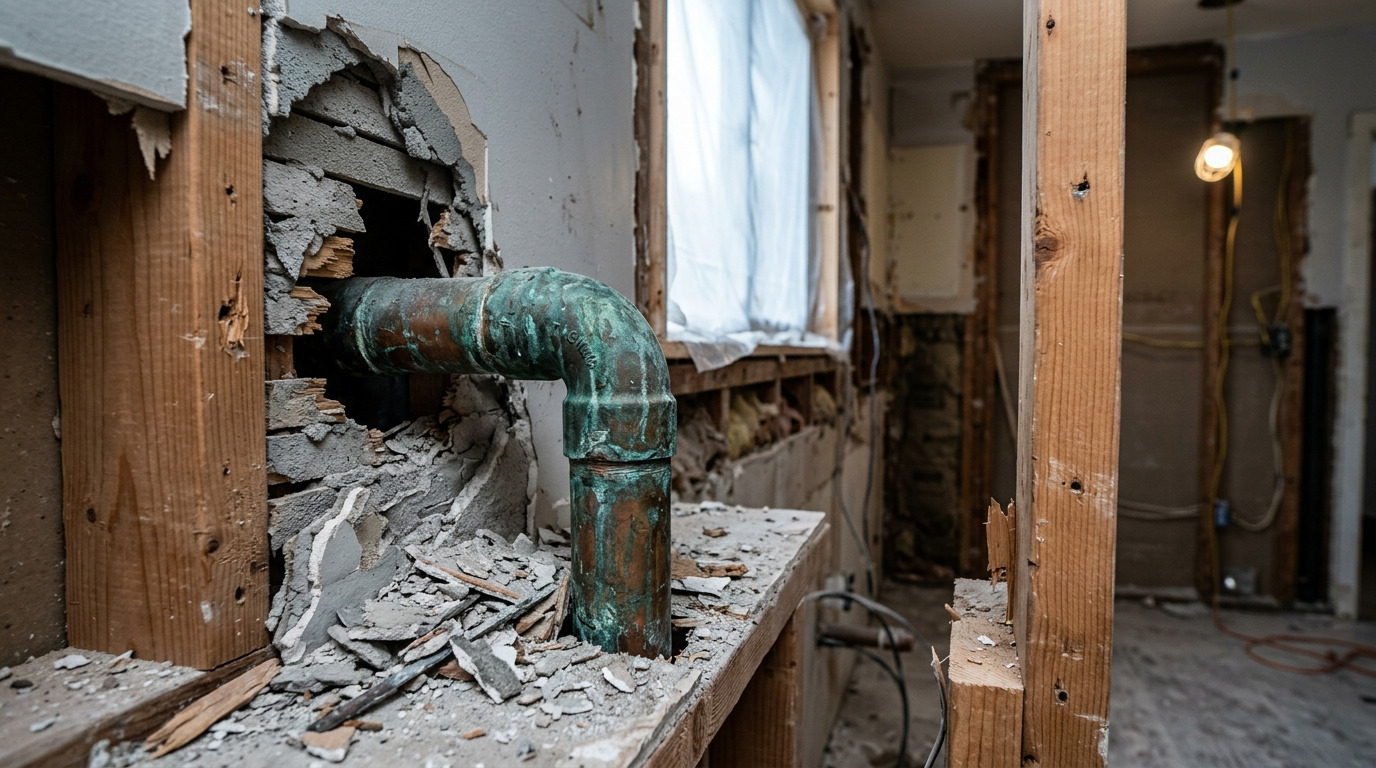
Kitchen remodeling spans a continuum from cosmetic refreshes to full gut renovations. The National Remodeling Authority defines it as the alteration, replacement, or reconfiguration of structural, mechanical, electrical, plumbing, and finish components. A full gut strips the space to framing and rebuilds every system, while cabinet refacing preserves existing structure. Moving appliances or altering layout typically triggers electrical and plumbing permits under the National Electrical Code and International Plumbing Code. Details from Kitchen Remodeling: Scope, Process, and support this point.
Signs You Need a New Kitchen
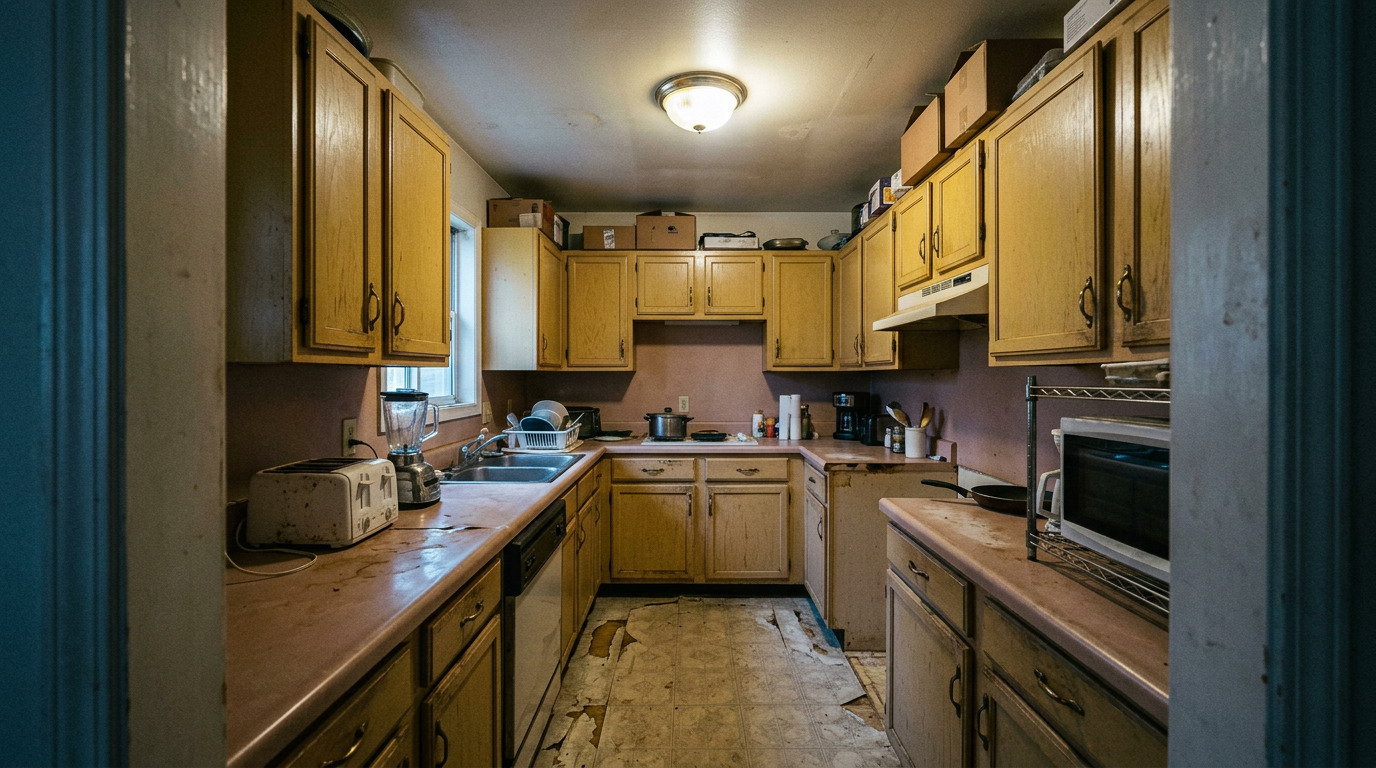
Your kitchen may look fine at a glance, yet still fail you every single day. Functional breakdowns are the real signal that professional help is needed. When you find yourself chopping vegetables on a cutting board balanced over the sink because every counter is buried under appliances, the problem runs deeper than clutter. It reveals a fundamental mismatch between your kitchen's design and how you actually live.
Traffic conflicts tell a similar story. Two cooks cannot pass between stove and island without a shoulder brush, or family members cut through the prep zone to reach the back door. These daily frustrations accumulate into genuine quality-of-life issues. Worn surfaces that trap grease in scratched laminate, or cabinets with swollen particleboard from years of steam exposure, create hygiene challenges that NKBA planning guidelines recognize as health and safety concerns no amount of scrubbing resolves. Outdated lighting compounds every problem, leaving you squinting at knife work in shadowed corners while a single overhead fixture wastes electricity illuminating empty floor space.
Functional Problems to Watch
Safety concerns push a dated kitchen from inconvenient to genuinely hazardous. Inadequate ventilation traps cooking fumes, grease particles, and excess moisture that degrades air quality and encourages mold growth behind walls. The National Kitchen & Bath Association emphasizes that proper exhaust must vent to the exterior, not simply recirculate through ineffective filters. Meanwhile, aging electrical panels strain under modern appliance loads, and insufficient GFCI protection near water sources creates shock risks that no cosmetic update can address. These hidden dangers rarely announce themselves until failure occurs, which is why experienced remodelers inspect systems behind the visible surfaces before quoting any surface transformation.
When Does Your Kitchen Need Remodeling?
Recognizing the warning signs early prevents small frustrations from becoming expensive emergencies , and helps you decide whether to hire a kitchen remodel contractor or tackle the work yourself. Ask yourself whether any of these daily disruptions sound familiar.
-
Counter space disappears the moment you start cooking: small appliances, mail, and miscellaneous items claim every flat surface because cabinet storage lacks designated zones for modern kitchen tools.
-
Multiple family members cannot work simultaneously without collision, indicating the original layout never anticipated today's multi-cook households and open-concept traffic patterns.
-
Storage solutions have devolved to plastic bins on countertops and overflow pantries in distant closets, proving the existing cabinetry fails to support contemporary inventory and organization needs.
-
Task lighting is so poor that you rely on phone flashlights to read labels in corner cabinets, while the single overhead fixture casts your work surface into shadow during evening meal prep.
-
Surfaces have deteriorated beyond recovery: laminate peels at edges, grout remains stained after professional cleaning, and cabinet boxes soften from moisture damage that threatens structural integrity.
-
Appliance replacement feels impossible because new models exceed available clearances, electrical capacity, or ventilation specs designed for mid-20th-century standards.
When Function Fails
A kitchen that frustrates you daily costs more than money. It drains your energy, complicates meals, and turns gathering spaces into sources of stress. The line between 'lived-in' and 'unlivable' is personal, but once you've crossed it, waiting rarely makes the problems smaller. Most homeowners know the moment their kitchen stopped working for them. Trust that instinct.
How the Process Works
Understanding how kitchen remodeling unfolds from first conversation to final walkthrough removes much of the anxiety that keeps homeowners awake at night. The process begins with an in-depth consultation where your daily routines, storage frustrations, and aesthetic preferences are documented alongside precise measurements of your existing space. This foundation feeds into collaborative design sessions featuring 3D renderings that let you visualize cabinet layouts, traffic patterns, and lighting placement before any wall comes down. Material selections follow, with your team tracking lead times for custom cabinetry and stone surfaces so ordering aligns with construction readiness rather than creating idle gaps. The design-build model eliminates the finger-pointing that plagues designer-plus-contractor arrangements, since one accountable team shepherds your project from concept through completion. Rothrock Kitchen & Bath Remodeling structures weekly progress meetings around milestone approvals, ensuring you inspect rough plumbing, electrical placement, and cabinet installation before work proceeds. This rhythm of communication prevents the surprises that derail timelines and strain household routines.
Construction itself moves through defined phases: protective dust containment, demolition, structural and systems rough-in, inspection holds, drywall and flooring, then cabinet and countertop installation, appliance connection, and finishing details. Each phase demands coordination of licensed trades, municipal inspections, and material deliveries that would overwhelm most homeowners attempting to self-manage. Professional project management protects you from the cascading delays that occur when a plumber's availability doesn't align with open walls, or when countertop templating waits on cabinet adjustments. In kitchen remodel planning guidance, industry professionals emphasize that design-build integration typically reduces decision fatigue and change-order frequency compared to fragmented approaches. Your project manager serves as your single point of contact, translating trade schedules into predictable rhythms and escalating concerns before they become crises. This structured transparency transforms kitchen remodeling from a source of dread into a managed progression with clear checkpoints and mutual accountability.
Design Through Construction
What separates a tolerable renovation from a genuinely positive experience? The communication protocols that prevent information from falling through cracks between trades. A shared digital folder containing signed drawings, finish specifications, and appliance manuals ensures everyone references identical plans. Written change orders with scope, cost, and schedule impact documented before work proceeds protect both parties from the resentment of verbal agreements gone wrong. Tracking material allowances against actual selections weekly prevents the budget drift that shocks homeowners at final invoice. These systems seem administrative until you've lived through a project where they were absent. The National Home Improvement Authority's step-by-step construction process guide outlines how regulated phase structures with inspection hold points keep kitchen remodeling compliant and on track. For homeowners navigating these complexities, exploring our detailed process reveals how integrated teams coordinate these moving parts without burdening your schedule.
Start Your Kitchen Transformation
Ready to transform your kitchen into a space that truly works for your life? We invite you to schedule a consultation with our women-owned team and experience the difference that clear communication makes. Let's create something remarkable together, without the stress you've come to expect from remodeling.
Frequently Asked Questions
What is a realistic budget for kitchen remodeling?
A realistic kitchen remodeling budget typically ranges from moderate updates to comprehensive renovations, depending on scope and material choices. Costs vary widely based on cabinetry quality, countertop materials like granite or quartz, appliance upgrades, and layout changes. Many homeowners find that prioritizing must-haves versus nice-to-haves helps control spending without sacrificing quality. For a clearer picture of what drives costs, explore our guide to managing remodeling costs.
How long does a typical kitchen remodel take?
Most kitchen remodels take several weeks to a few months from demolition to final walkthrough. The timeline depends on project complexity, custom cabinet lead times, and whether structural or plumbing changes are involved. Smaller updates with stock materials move faster. Full renovations with custom elements require more patience. You can learn more about what affects timelines in our article on remodeling project duration.
Do I need to move out during kitchen remodeling?
You usually don't need to move out, but you should prepare for significant daily disruption. Without a functioning kitchen, you'll need alternative cooking arrangements and a temporary cleanup station. Dust and noise are unavoidable, though professional contractors use containment strategies to minimize spread. Some families choose to stay elsewhere during the most intensive phases. Your comfort level and project scope ultimately decide what's best.